How I get my games into retail without losing my mind
Why I shifted from individual localisations to global licensing to get my games on tables worldwide.
I want my games on as many tables all over the world. But I can’t become a marketing expert, web developer, licensing guru, export representative, manufacturing and operational manager, and sales rep all by myself. I have three games in total, and I have a near-full-time job. And I want to get my games into retail. Without losing my mind. Because I can't do it all, I had to develop an efficient way of working operating to find partners who can. Here is my 4-step playbook. It has worked well for me so far, and who knows, it might work well for you too!
After the steps I take to get my games with publishers, the article ends with two different licensing strategies I have:
I enter licensing agreements with individual local publishers, where they get the rights to publishing the game in a specific language.
I license out the global rights to our game to one publisher. This publisher then publishes the game in their preferred market, and their export team connects with other local publishers to get localizations.
Let’s start with how I get license deals. Step by step.
How I got my games picked up by publishers
I always have a designed game, with artwork, and run a Kickstarter campaign for that game. Once the campaign is successful and the game is produced and fulfilled, I have a “proven” product to pitch to publishers.
This is the process we used for Monsters of Loch Lomond. It is significantly easier to pitch a game once you can show a publisher it has already succeeded on Kickstarter. It proves there is a market for your product.
However, I have found that the timelines can shift. For example:
With River Rats, the publisher actually reached out to me before the Kickstarter even launched. They were on my email list (which is wonderful!). It’s good to mention most of the artwork was already done.
For Stamp Showdown, I followed the “Playbook” steps below while I was still preparing for the Kickstarter launch. The artwork and the game were already near-done when I started pitching.
I am not yet sure when the best time is to start the conversation with publishers. But the four steps remain the same. Here is how I manage the research and outreach to ensure the games end up with the right partner.
Step 1: Research
It’s important that you understand with which publishers might be a fit for your game.
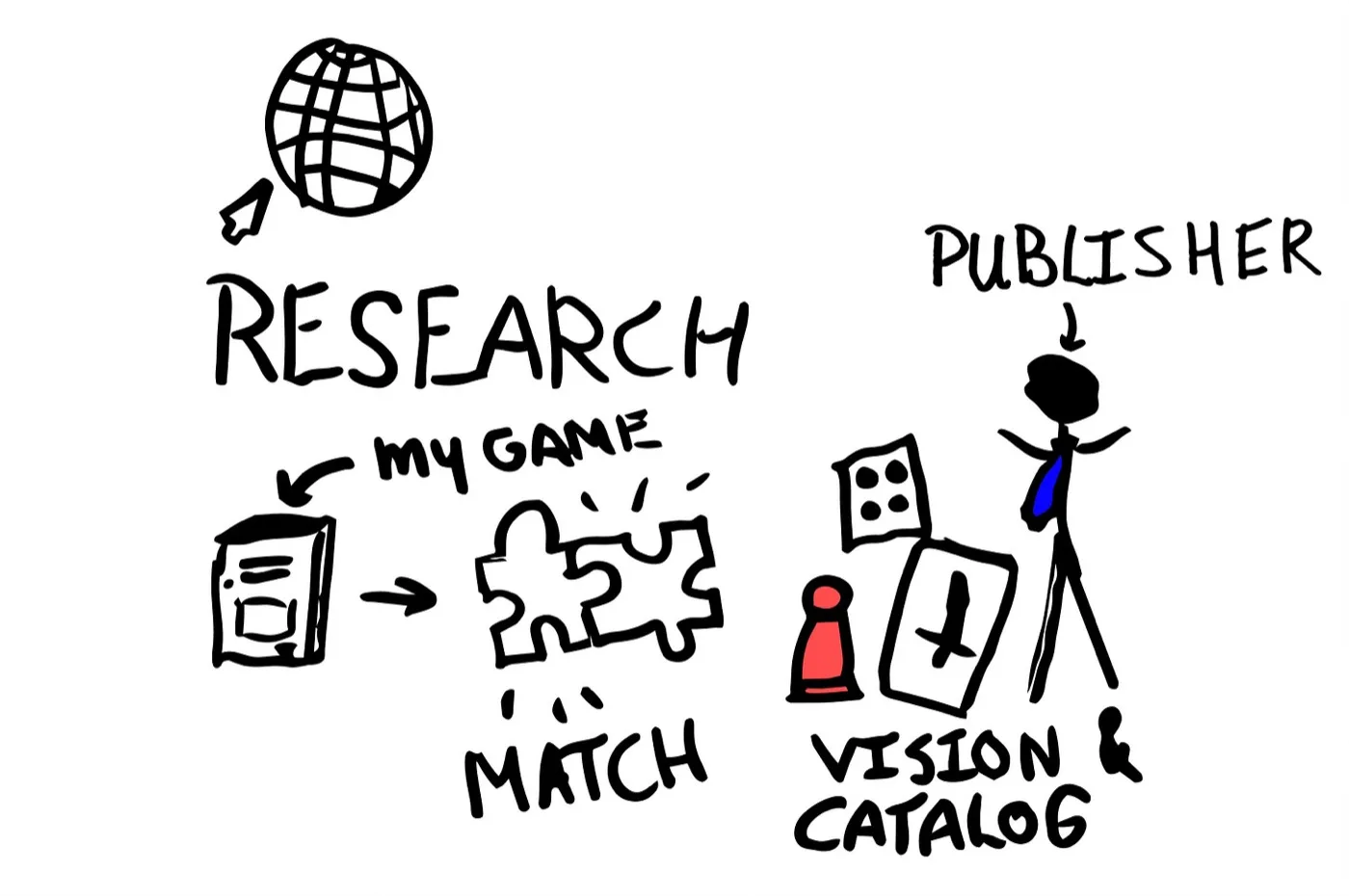
Your game has to fit their vision and catalog. Sometimes this might mean it targets the same audience of games already in their catalog, or it might mean it fills a gap in their catalog. That’s something you’ll have to find out.
My games are all card games, and they are anywhere between pretty light and medium weight: so for family up to casual gamers.
I’ve researched publishers by looking on BoardGameGeek at successful card games of similar weight and made a list of all publishers and the markets they published in. This list now consists of 130 publishing companies. Then I tried to find the relevant contact person in those companies. I’ve scoured their websites, LinkedIn, convention pages. Whenever I found someone, I noted down their name, job title, email address and phone number.
Now I have a target list.
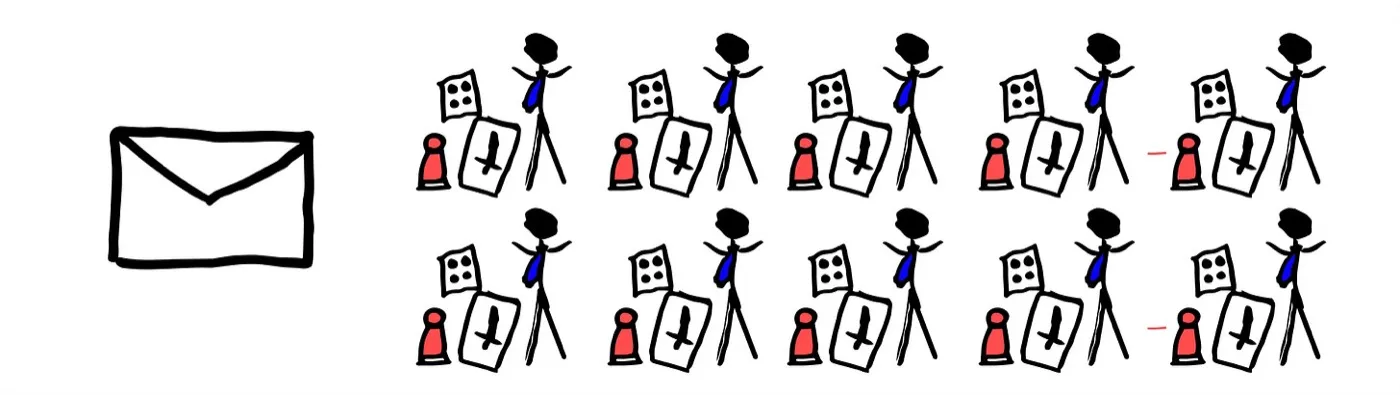
For every company on my list, I identified two or three of their existing titles that hit the same target audience as my game.
Now I have all the information I need.
Step 2: Outreach
I’ve found the most effective way to get your game in front of a publisher is to meet at a convention. I’m based in Europe, and here we have two main conventions, SPIEL and Spielwarenmesse. Pretty much all game publishers are attending these. I reach out to all publishers, mention my game, and try to book a meeting with the right people at the convention. I do this well in advance: four weeks before the convention starts.
I make sure each email is personal and has something specific about the publisher’s game or collection. It can be about how it targets the same type of games as game XX and XX they’ve published, or that it fills a certain gap in their catalog.
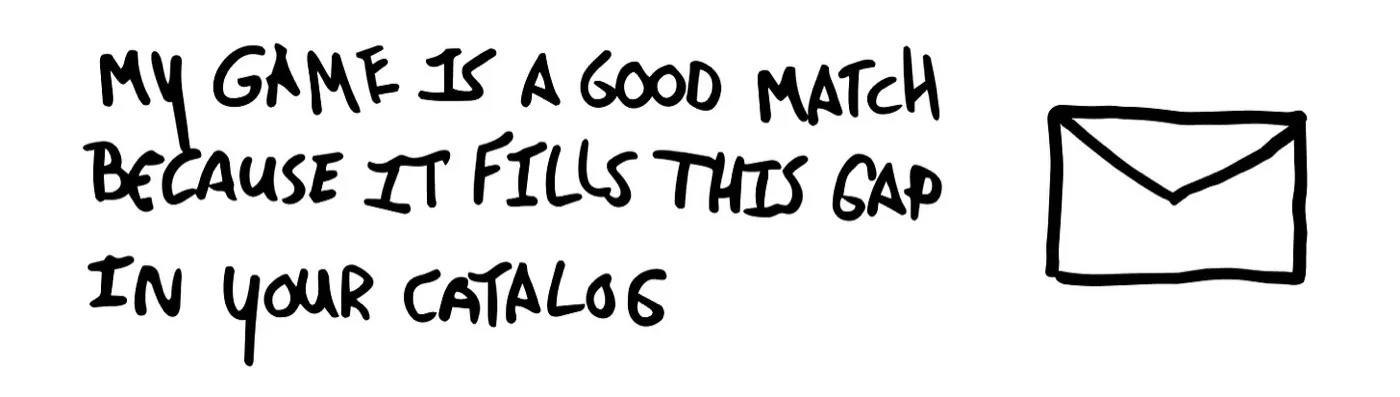
Then when I get a response, I try to lock in a meeting slot at the convention.
Step 3: The Meeting
When you meet you want to make sure you get to know each other. It’s not only about your game. It’s also about you and the personal match you have with the people you’re meeting with. You want to make sure they’re a good partner for you, and you want to show you’re a reliable partner for them.
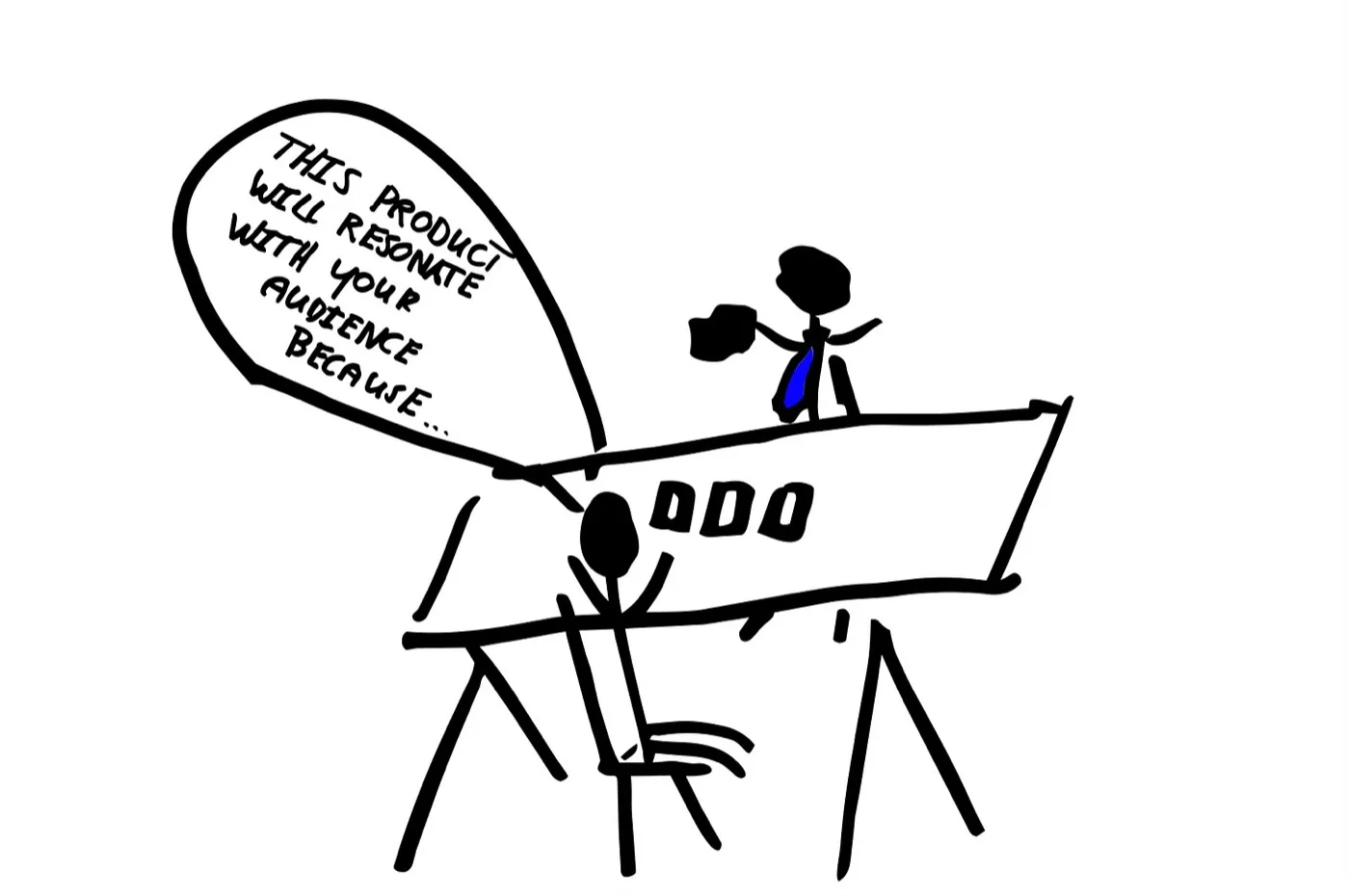
Only then you can pitch your product. I am specifically writing product and not game, because a game is just a set of rules, mechanics and perhaps a theme. A product is a sellable asset that fills a specific gap in the publisher's catalog.
I always make it a point to explain why I believe this specific product would be a good fit for them, referencing the research I did earlier. Then you can move to the fun part: ask if they want to play a quick round, and play!
I only make games playable with a standard deck, and I have found that having an awesome thematic deck of cards is not always considered to be a good product, no matter how good the game itself might be. Publishers want to add a little bit extra to the standard playing cards, so there’s additional value for the players beyond just being a cool deck. So now I pitch it with this in mind. Even when I design a game I do this with a product-first mindset now!
Step 4: The Follow-Up
At the end of the meeting the publisher might indicate that they like your game and want to playtest the game further with their team. Well done!
You’ll want to agree on some timelines, otherwise you might not hear back at all. And now you have a date you can follow up with them.
They’ll evaluate your game and when they’ve come to a decision you can connect again. If they don’t come back to you, follow up with them! Sometimes multiple times.
If they choose to move forward with your game, they’ll make you an offer. If you also want to move forward you’ll negotiate on the commercial terms and the conditions, and hopefully come to an agreement.
That’s how I do it!
Now let’s dive deeper into the two licensing strategies.
Two strategies
Strategy #1: The Hands-On "Localization Partner" Model
For Monsters of Loch Lomond, we decided to publish the English edition with our own company and find individual partners for localisation in different languages and regions.
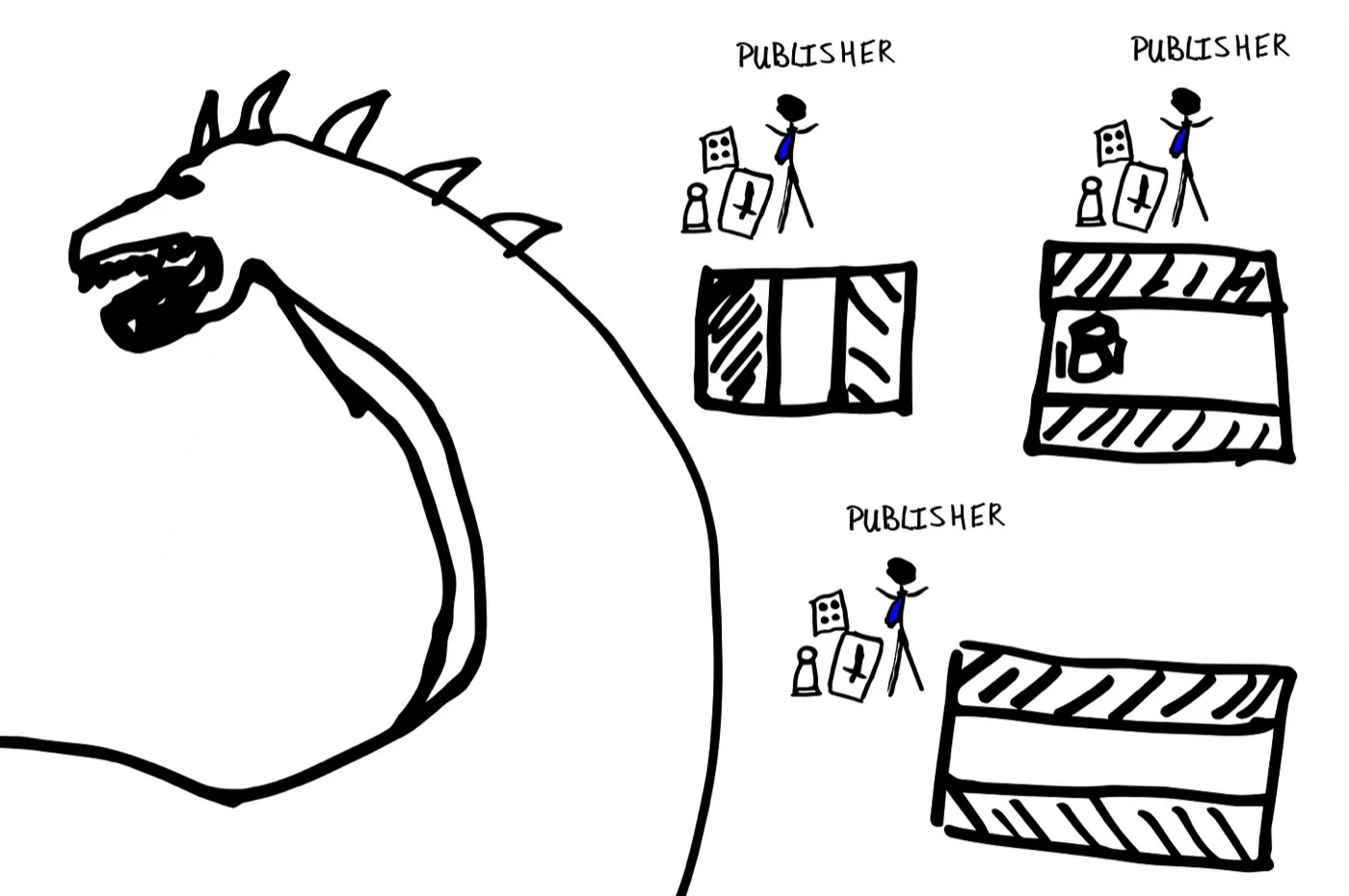
The game is now available in English (Key Card Games, us), Dutch (HOT Games), Italian (Little Rocket Games) and Spanish (Gen X Games)! So we licensed it out to three other publishers, and hopefully there are more to come.
How this works (for us)
We enter a licensing agreement with the local publisher. In this contract, we agree on a Manufacturer’s Suggested Retail Price (MSRP) and a flat royalty rate per game, based on that MSRP - paid upon production.
Manufacturing
For the Italian version: the local publisher wanted to use their own box size and manage their own print run so it fits in a specific line of their games.
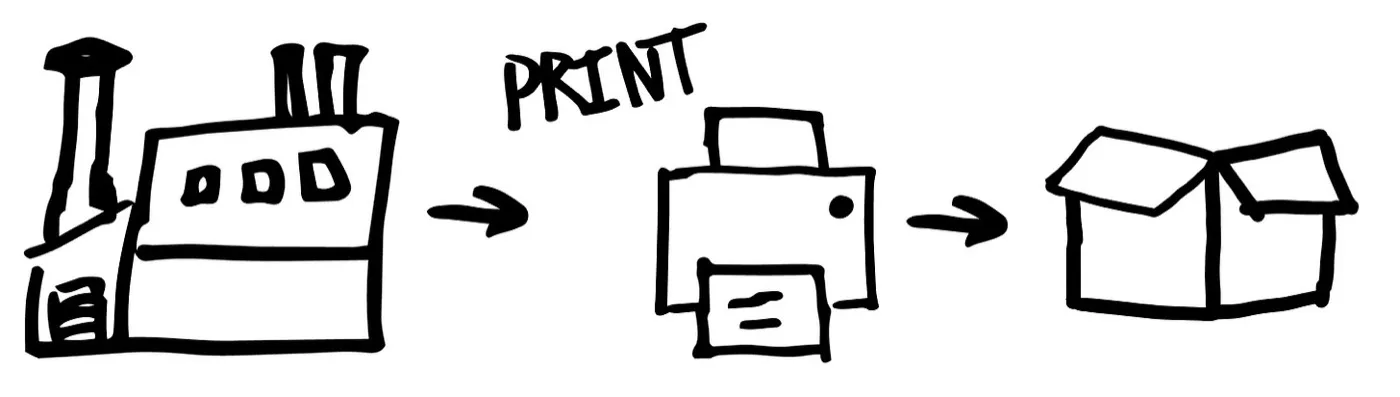
For the other versions, I became the middleman for manufacturing and the logistics. We combined the print run of the three languages. This helped us to increase the total number of games and negotiate a lower price per game. All parties translated the game in their respective languages, made some adjustments to the graphic design of the box (e.g. added their logo on the box) and shared their print files with me.
I got the quotes from the manufacturer, aligned with all parties on the production price, placed the order with the manufacturer, provided them with all the files, and arranged shipping to all parties.
Pros of Strategy #1
Royalties are relatively high
You get a good network in the industry
Direct income after printing
Cons of Strategy #1
You have to do a lot of work!!
Pitching your game to all individual publishers
Setting up agreements with interested parties
Handle manufacturing
Handle logistics
I run this business next to my day job. So my preferred approach has shifted to lower-effort Strategy #2.
Strategy #2: global license
We licensed River Rats to IELLO and Stamp Showdown to Gigamic. Both are fairly large publishers, and both are French. They will publish the games in French and English. Their professional teams then pitch the game to their preferred partners for publication in specific languages.
This means it’s completely hands-off for me. I don’t have to do anything apart from giving my feedback on their versions of the game.
This sounds ideal right? Let’s look at the pros and cons:
Pros of Strategy #2
It’s almost no work at all
You can rely on the network of a larger publisher
Your game gets better exposure through the marketing and reach of the larger publisher
You get an advance on the royalties immediately
Cons of Strategy #2
The actual royalties won’t come upon printing, but only after sales. This might take two years.
Fewer opportunities to grow your network
Lower royalty rates: for the region the publisher publishes themselves, the rates are similar to those in Strategy #1, but for sub licensing the rates are much lower (approximately 30%).
Conclusion: Which path is right for you?
Ultimately, the “best” way to license your game depends on what you value more: margin or minutes. If you have the time and desire to build a deep, global network of friends and partners, Strategy #1 (individual localisations) is incredibly rewarding. You’ll keep more of the royalties, build a great professional network, and have a front-row seat to the manufacturing process.
However, if you are like me and balancing game design with a full-time career, Strategy #2 (global licensing) might be best for you. It allows you to lean on the professional marketing and export teams of industry leaders like IELLO or Gigamic. You might trade off some royalty percentage, but you gain the freedom to focus on what we all love most: designing the next awesome game.
Whichever route you take, remember that your game is a product. Treat it with that professional mindset, follow the playbook, and you’ll find the right partners to help you put your vision on tables across the globe.
Written by Robin Stokkel for Four Suit Studio.